0%

In today's rapidly evolving energy landscape, the Standard Diesel Generator stands out as a reliable power source. According to a report by Frost & Sullivan, the global market for diesel generators is projected to reach $24.45 billion by 2024. This growth reflects their essential role in industries such as construction, mining, and emergency services.

A Standard Diesel Generator uses diesel fuel to generate electricity, making it a preferred choice for remote locations. It operates by converting the chemical energy in diesel into mechanical energy, and then into electrical energy. However, these generators are not without challenges. They emit pollutants and can be noisy, raising concerns in environmentally sensitive areas.

Despite these drawbacks, the reliability of a Standard Diesel Generator can be crucial during power outages or in disaster recovery scenarios. Many industries depend on them to ensure operational continuity. As we explore the intricacies of their function, we recognize both the benefits and the need for advancements to enhance their efficiency and eco-friendliness.
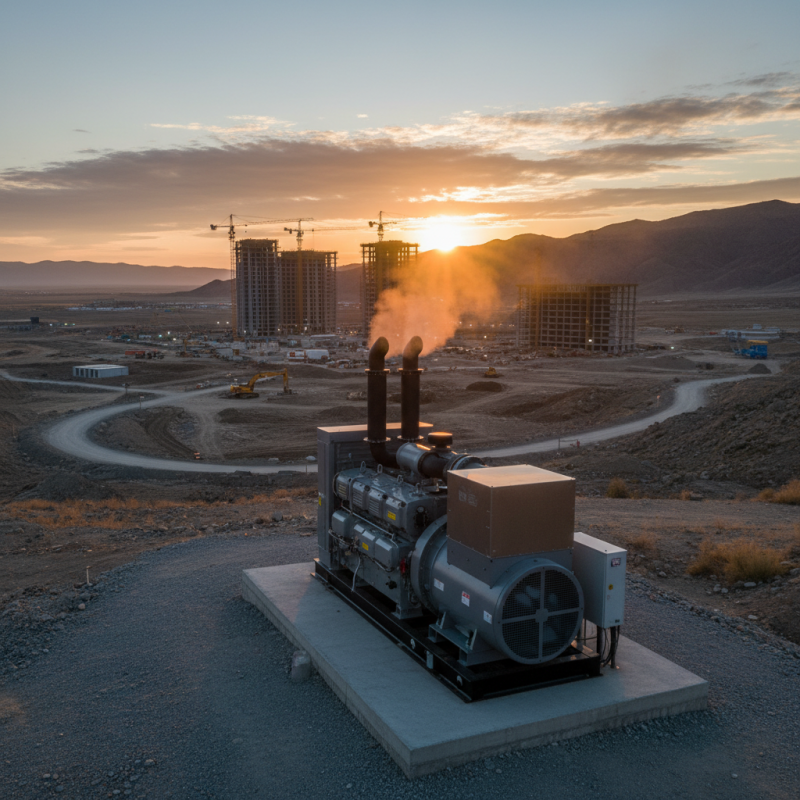
What is a Standard Diesel Generator and How Does It Work?

Definition and Components of a Standard Diesel Generator

A standard diesel generator serves as a reliable power source, particularly in areas lacking consistent electricity. It comprises several key components that work together to produce electrical energy. The heart of the generator is the diesel engine. This engine converts fuel into mechanical energy. The process begins when diesel fuel ignites, causing combustion. This combustion drives the piston, which is connected to a crankshaft.

The crankshaft plays a crucial role in converting linear motion into rotational energy, which powers the alternator. The alternator is another vital component. It consists of a rotor and stator. The rotor spins within a magnetic field, generating electrical current. The entire system requires a cooling system to maintain optimal operating temperatures. Without proper cooling, the engine can overheat and fail.

Regular maintenance of these components is essential. Neglecting the fuel system, for instance, can lead to reduced performance. Additionally, the exhaust system must be checked for leaks. Minor issues can escalate if not addressed promptly. Diesel generators are powerful tools, but they need attention. Users must be vigilant to ensure efficiency and longevity.

Principle of Operation: How Diesel Generators Generate Power

Diesel generators operate on the principle of converting mechanical energy into electrical energy. They rely on diesel engines to drive alternators, which produce electricity. When diesel fuel ignites in the engine's combustion chamber, it forces piston movement. This movement is then transformed into rotational energy, turning the generator's rotor. According to the International Energy Agency, diesel generators account for around 75% of the global backup power market, underscoring their reliability.

Efficiency is a key factor in diesel generator performance. A well-maintained generator can achieve an efficiency rate of 30-40%. However, many users overlook regular maintenance, which can lead to inefficiencies. Watching for fuel quality and schedule checks can optimize performance. Keeping the generator clean will enhance airflow and cooling, contributing to operational efficiency.

Tips: Always use high-quality diesel fuel. Contaminated fuel can cause engine harm. Regularly inspect connections and load to prevent unexpected breakdowns. It is critical to monitor usage patterns as well. Overloading the generator can lead to premature failures.

Key Features and Specifications of Diesel Generators

When discussing diesel generators, it’s essential to understand their key features and specifications. A standard diesel generator converts mechanical energy into electrical energy using diesel fuel. These generators are vital for providing backup power and often consist of an engine, alternator, fuel system, and control panel.

The engine's size determines its power output, typically ranging from a few kilowatts to several megawatts. Notably, the efficiency of a diesel generator is influenced by its load. Overloading can lead to inefficiencies, while underloading may cause carbon build-up within the engine. Fuel consumption is another key specification, as it directly affects operational cost. Many generators now feature advanced control systems for monitoring and optimizing performance.

Durability and maintenance are significant considerations for users. Diesel generators are designed to withstand harsh conditions, but regular maintenance is necessary to ensure reliability. User feedback often highlights the importance of this aspect. Poor maintenance can result in unforeseen breakdowns. Therefore, having a structured maintenance schedule is advisable for optimal performance.

Applications and Benefits of Using Diesel Generators

Diesel generators are versatile power sources. They play a crucial role in various sectors. Industries depend on them for their reliability and efficiency. According to a report by Global Market Insights, the diesel generator market is expected to surpass $25 billion by 2027. This growth reflects their critical applications in different fields.

Construction sites often rely on diesel generators. They provide power for tools and machinery, ensuring projects stay on schedule. In remote areas, where grid power is unreliable, diesel generators are indispensable. Hospitals and data centers use them as backup systems. Reliable power is essential in these environments to prevent crises.

Despite their benefits, diesel generators have drawbacks. Emissions from diesel fuels raise environmental concerns. Striking a balance between power needs and sustainability is vital. Continuous advancements in technology aim to improve efficiency. New models promise reduced emissions and better fuel efficiency. However, the transition to greener alternatives is ongoing. The future of diesel generators must evolve to meet energy demands responsibly.

What is a Standard Diesel Generator and How Does It Work? - Applications and Benefits of Using Diesel Generators

Dimension Value
Power Output 5 kW - 2000 kW
Fuel Type Diesel
Run Time 8 - 24 hours (depends on load)
Noise Level 60 - 75 dB(A)
Applications Construction sites, Mining, Hospitals, Data centers, Residential
Benefits Reliability, Efficiency, Portability, Low maintenance cost
Emissions Higher in comparison to natural gas generators

Maintenance and Safety Considerations for Diesel Generators

When it comes to diesel generators, maintenance and safety are paramount. Regular checks help ensure they operate efficiently. You need to inspect fuel filters and change the oil routinely. A clean generator runs better and lasts longer.

Tips: Always keep a maintenance log. Record every service and check performed. It can be invaluable when troubleshooting later on.

Safety should never be overlooked. Diesel generators create exhaust fumes that can be hazardous. Ensure your workspace is well-ventilated. Wear protective gear during maintenance. Understand where emergency shutoff systems are located and how to use them.

Tips: Conduct regular safety drills. Ensure everyone knows how to respond in an emergency. Simple preparations can save lives.

FAQS

: What is the main purpose of a diesel generator?

: A diesel generator provides reliable power, especially in areas with inconsistent electricity supply.

How does a diesel generator produce electricity?

The diesel engine converts fuel into mechanical energy, powering the alternator to generate electrical current.

What components are essential in a diesel generator?

Key components include the engine, alternator, fuel system, cooling system, and control panel.

Why is regular maintenance necessary for diesel generators?

Maintenance prevents performance decline and avoids breakdowns, ensuring the generator operates efficiently over time.

What can happen if the fuel system is neglected?

Ignoring the fuel system can result in reduced performance and increased operational issues.

How does the load affect the generator's efficiency?

Overloading can cause inefficiencies, while underloading may lead to carbon build-up in the engine.

What are common factors affecting operational costs of diesel generators?

Fuel consumption significantly impacts operational costs, alongside maintenance expenses.

What role does the cooling system play in a diesel generator?

It maintains optimal engine temperatures, preventing overheating that can cause significant damage.

How can user feedback improve diesel generator performance?

Observations from users can highlight maintenance needs and operational issues, leading to better upkeep.

What should users prioritize for the longevity of their diesel generators?

A structured maintenance schedule and regular checks can enhance reliability and performance over time.

Conclusion

A Standard Diesel Generator is a reliable power generation system commonly used in various applications. It consists of essential components, including an engine, alternator, and control panel, which work together to convert diesel fuel into electrical energy. The principle of operation is based on the diesel engine's combustion process, producing mechanical energy that drives the generator to produce electricity.

These generators are characterized by their durability, efficiency, and ability to operate in remote locations, making them ideal for construction sites, hospitals, and backup power. Key features typically include fuel efficiency, low emissions, and advanced control systems. However, it is vital to consider maintenance and safety protocols to ensure optimal performance and longevity. Overall, the Standard Diesel Generator serves as a crucial asset for reliable and continuous power supply in various environments.

Oliver

Oliver

Oliver is a seasoned marketing professional with a wealth of expertise in driving brand awareness and engagement. With a deep understanding of our company's product offerings, he consistently delivers high-quality content that enriches our professional blog. His insights not only shed light on......