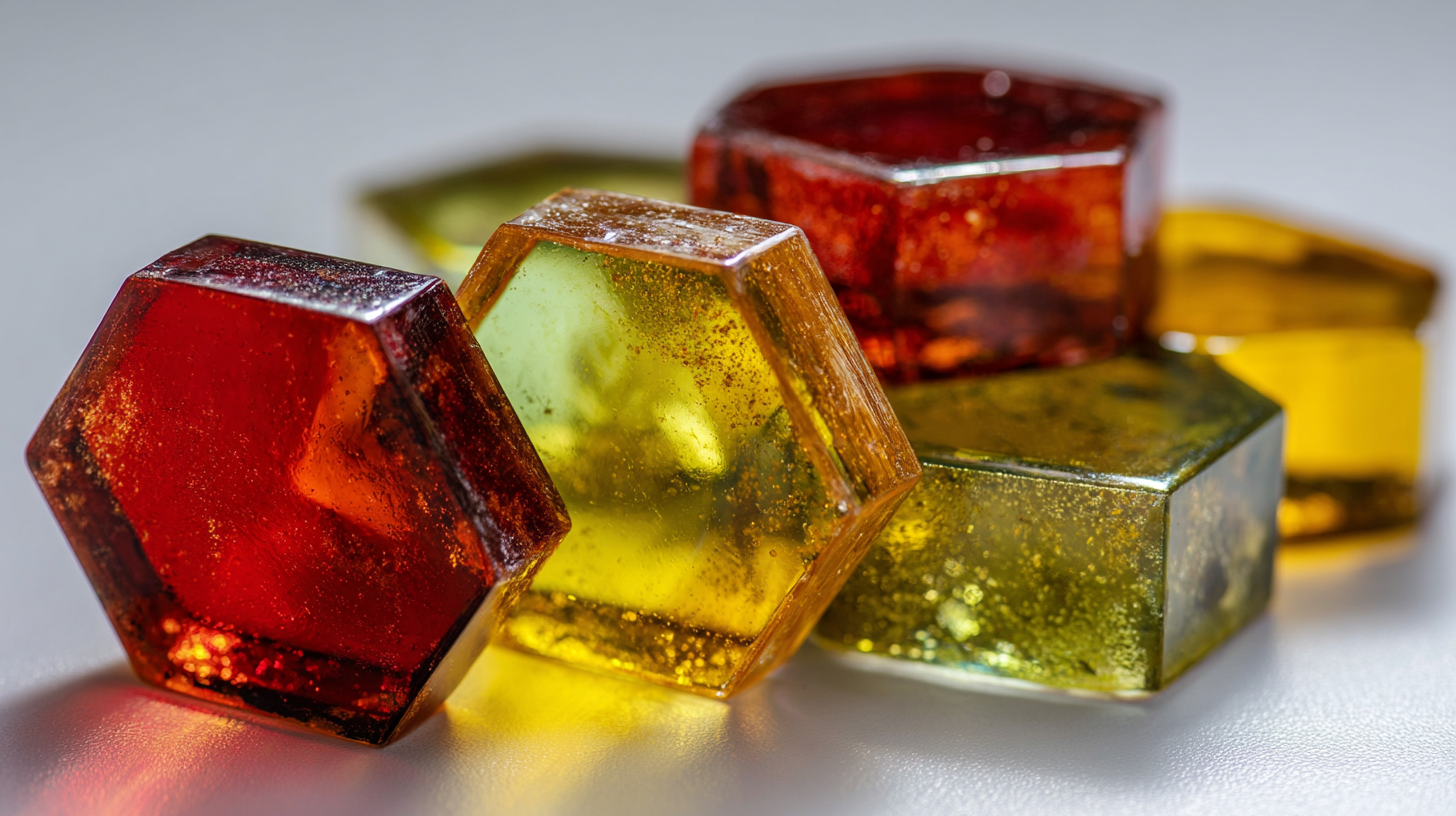
 Epoxy Resin has gained significant popularity among DIY enthusiasts and professional crafters alike, thanks to its versatility and durability. Understanding the science behind epoxy resin can elevate your creative projects, allowing you to grasp the intricacies of working with this unique material. Whether you're crafting stunning works of art, creating beautiful furniture, or engaging in home improvement tasks, having a solid grasp of epoxy resin properties is crucial to achieving optimal results.
In this guide, we will explore essential tips and insights that will empower you to create stunning pieces while effectively using epoxy resin. From the importance of mixing ratios to understanding curing times, each aspect will contribute to the success of your endeavors. By acquiring this knowledge, you'll not only enhance your skill set but also foster a deeper appreciation for the craft.
Let’s dive into the fascinating world of epoxy resin and unlock its potential for your next DIY project!
The Chemical Composition of Epoxy Resin: What You Need to Know
 Epoxy resin is a versatile material widely used in various DIY projects due to its durability and aesthetic appeal. At the heart of this synthetic resin is a chemical composition that plays a crucial role in its properties. Epoxy resin is formed by the reaction between epoxide monomers and hardeners, typically aliphatic or aromatic amines. This reaction results in a three-dimensional cross-linked network that provides excellent mechanical strength and resistance to chemicals.
The key components of epoxy resin include epoxide functional groups, which are reactive molecules that bond with hardeners, and various additives that enhance performance. Fillers, pigments, and modifiers can be mixed in to achieve specific characteristics, such as improved UV resistance or extended pot life. Understanding these components is essential for selecting the right epoxy resin for your project, ensuring optimal adhesion, curing times, and overall finish quality. By grasping the basic chemical makeup of epoxy, DIY enthusiasts can tailor their applications to meet specific needs, whether it's crafting jewelry, repairing furniture, or creating intricate art pieces.
Properties of Epoxy Resin: Durability, Adhesion, and Versatility
Epoxy resin is increasingly popular among DIY enthusiasts and professionals alike, primarily due to its remarkable properties that include durability, adhesion, and versatility. According to a report by Technavio, the epoxy resin market is projected to grow at a CAGR of over 6% from 2021 to 2025, reflecting its increasing application in various industries including construction, automotive, and marine. One of the standout features of epoxy resin is its exceptional durability; it is resistant to chemicals, moisture, and temperature fluctuations, making it ideal for projects that require long-lasting performance.
Another key property of epoxy resin is its adhesive strength. A study by the American Society for Testing and Materials (ASTM) highlights that epoxy adhesives can achieve a shear strength of up to 4,000 psi, which significantly outperforms many conventional adhesives. This high adhesion capacity not only ensures strong bonds on a variety of surfaces, including wood, metal, and plastics, but also makes it a preferred choice for crafts and repairs where reliability is essential. Furthermore, the versatility of epoxy resin extends to its range of formulations, allowing users to select products tailored to specific needs—whether that be a quick-dry solution for rapid projects or a high-performance resin for demanding applications.
Understanding the Properties of Epoxy Resin
Common Applications of Epoxy Resin in DIY Projects
Epoxy resin has gained immense popularity in the DIY community due to its versatility and durability. Common applications include creating stunning countertops, crafting jewelry, and preserving artwork. For example, many DIY enthusiasts use epoxy to coat wooden surfaces, providing a beautiful, glossy finish while protecting the wood from moisture and scratches. It's also frequently employed in resin art, where vibrant colors can be mixed and poured to create unique designs.
When working with epoxy resin, there are a few tips to ensure successful results. First, always measure the resin and hardener accurately, following the manufacturer's instructions closely for the best cure. Second, prepare your workspace by laying down protective coverings, as epoxy can be difficult to clean once it hardens. Lastly, consider using a heat gun or torch to eliminate bubbles that form during mixing, ensuring a smooth and clear finish in your final project.
Whether you're adding a finishing touch to a furniture piece or diving into creative art projects, knowing the applications and tips for using epoxy resin will significantly enhance your DIY experience. Embrace the journey of experimenting with this remarkable material!
Understanding the Science Behind Epoxy Resin for Your Next DIY Project - Common Applications of Epoxy Resin in DIY Projects
| Application | Description | Benefits | Common Uses |
| Table Tops | Creating durable and aesthetically pleasing surfaces. | High durability, water resistance, and high-gloss finish. | Furniture, countertops, art pieces. |
| Coatings and Sealants | Protective coatings for various surfaces. | Enhanced protection against moisture, chemicals, and UV damage. | Floors, garages, boats. |
| Jewelry Making | Creating custom jewelry pieces with embedded materials. | Unique designs, versatility in casting molds. | Rings, pendants, earrings. |
| Craft Projects | Using resin for various artistic and decorative crafts. | Customizable, vibrant finishes, and strength. | Art pieces, coasters, decorative items. |
| Repair Tasks | Repairing broken items with strong adhesive properties. | Long-lasting repairs and water resistance. | Household items, automotive parts, outdoor furniture. |
Safety Precautions When Working with Epoxy Resin
 When working with epoxy resin for your next DIY project, safety should always come first. Epoxy resins can emit toxic fumes, which can be harmful if inhaled. Therefore, it is crucial to work in a welcome and ventilated area. Open windows and use fans to ensure adequate airflow. If you've limited space for ventilation, consider wearing a respirator designed to filter out organic vapors.
Another essential tip is to equip yourself with appropriate protective gear. Wearing gloves can prevent skin contact with the resin, which can cause irritation or allergic reactions. Additionally, goggles should be worn to protect your eyes from splashes, especially when mixing and pouring the resin. Remember that epoxy can stick to skin, so having acetone nearby for cleanup can be beneficial.
Lastly, before starting your project, read the safety data sheets provided by the resin manufacturer. These sheets contain crucial information about the product's handling, potential hazards, and first aid measures. Being informed and prepared can make a significant difference in your safety while enjoying your crafting experience. Always prioritize your health and safety for a successful and enjoyable project.
Tips for Achieving Professional Results with Epoxy Resin Techniques
When embarking on your DIY project using epoxy resin, achieving professional results often comes down to a few key techniques. One essential tip is to ensure your workspace is well-prepared. Clean and organize your area to avoid any contaminants that could mar your finish. Proper ventilation is also crucial, as it not only ensures your safety while working with the resin but also aids in the curing process.
Another important technique is to measure and mix the epoxy resin accurately. Follow the manufacturer's instructions carefully, as an improper ratio of resin to hardener can lead to a sticky or improperly cured surface. For optimal results, use a digital scale for precision and mix the components thoroughly in a clean container, scraping the sides to ensure a uniform consistency.
Lastly, consider experimenting with heat and bubbles. Using a heat gun or a torch can help eliminate air bubbles that form during mixing. Gently passing the heat source over the surface can bring bubbles to the top, where they can pop, resulting in a smoother finish. Keep these tips in mind, and you’ll be well on your way to creating stunning resin art that looks like it was crafted by a professional.
FAQS
: Epoxy resin is formed by the reaction between epoxide monomers and hardeners, typically aliphatic or aromatic amines, which creates a three-dimensional cross-linked network.
The key components include epoxide functional groups that bond with hardeners, and various additives such as fillers, pigments, and modifiers that enhance performance.
Common applications include creating countertops, crafting jewelry, preserving artwork, and coating wooden surfaces to provide a glossy finish and protection.
Always measure resin and hardener accurately, following the manufacturer’s instructions closely, and consider using a digital scale for precision.
Prepare your workspace by cleaning and organizing the area to avoid contaminants, and ensure proper ventilation for safety and effective curing.
You can use a heat gun or torch to gently pass over the surface, which helps bring bubbles to the top where they can pop, resulting in a smoother finish.
Understanding the chemical makeup helps DIY enthusiasts select the right epoxy for their projects, ensuring optimal adhesion, curing times, and finish quality.
Additives like fillers, pigments, and modifiers should be mixed in to achieve specific characteristics, such as improved UV resistance or extended pot life.
Avoid improper mixing ratios of resin and hardener, as well as neglecting to prepare your workspace adequately and failing to follow manufacturer instructions.
Embrace the experimentation process with epoxy resin and apply the tips for workspace preparation, accurate mixing, and bubble elimination to achieve professional-looking results.
Conclusion
Epoxy resin is a versatile material widely used in various DIY projects due to its remarkable properties. Understanding its chemical composition is essential, as it consists of epoxy compounds that provide durability and strong adhesion. This resin is favored for its adaptability, making it suitable for a range of applications such as coatings, adhesives, and creative crafts.
However, working with epoxy resin requires caution. Safety precautions are crucial to protect yourself from harmful fumes and skin contact. To achieve professional results, mastering specific techniques is beneficial, including proper mixing and application methods. Embracing these principles can enhance the quality of your projects and ensure that the epoxy resin performs optimally.